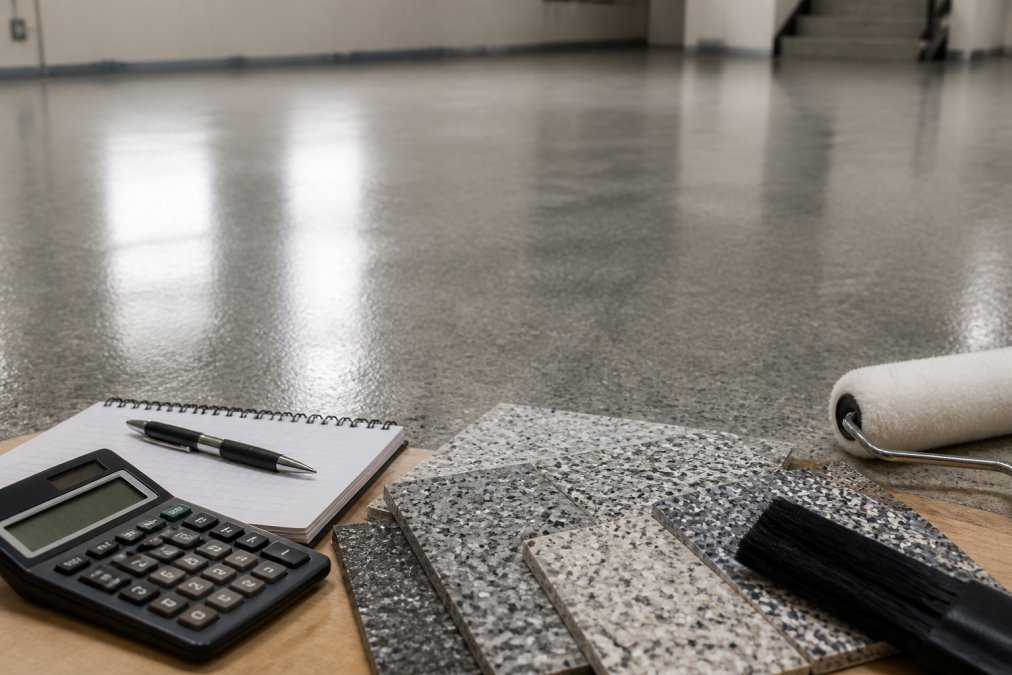
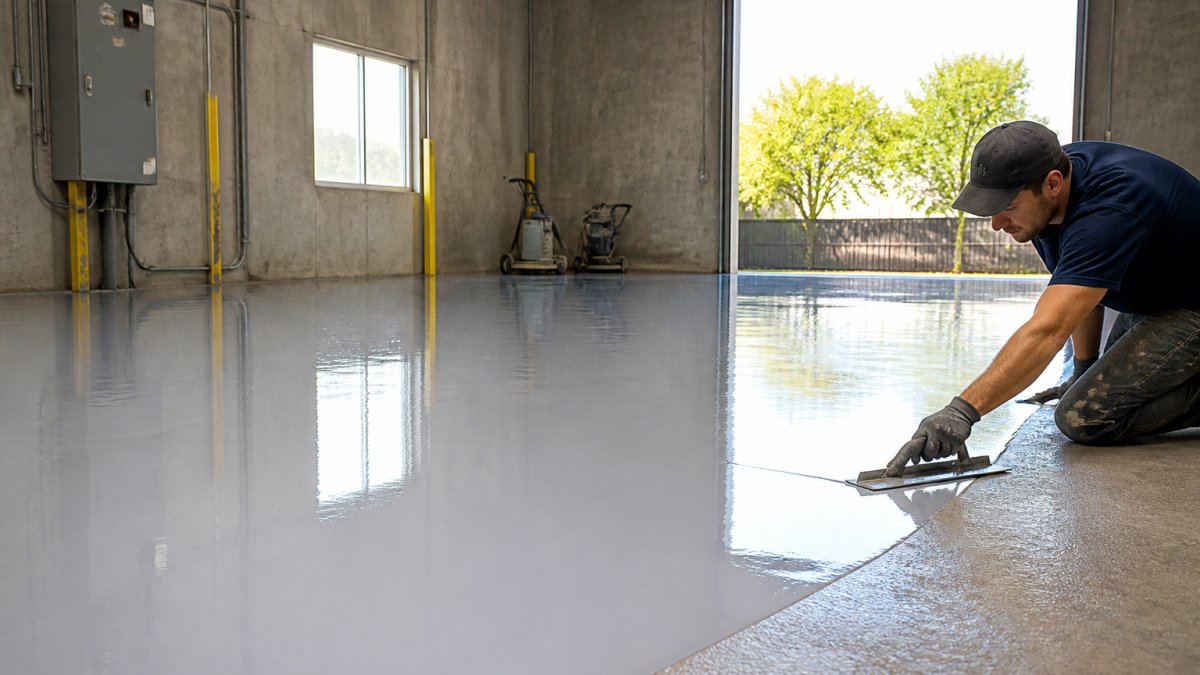
 comparison
Is Professional Epoxy Coating Worth the Cost?
Table of Contents
- What Professional Epoxy Coating Actually Costs
- Factors That Affect Installation Cost
- Professional Epoxy Floor Coating vs. DIY
- How Long Does Epoxy Flooring Last
- Polyurea vs. Epoxy Floor Coatings
- Real Benefits That Justify the Investment
- Common Drawbacks and How to Avoid Them
- Evaluating a Contractor Quote and Specifications
- Frequently Asked Questions
Last Updated: October 11, 2026
What Professional Epoxy Coating Actually Costs
Professional epoxy coating represents a significant investment for most homeowners and business owners. Understanding the true cost structure helps you evaluate whether the investment makes sense for your specific situation. Transparent pricing discussions upfront prevent surprises and help clients make informed decisions about their flooring projects.
The cost of professional epoxy coating varies considerably based on several key factors. Surface preparation typically represents the largest portion of your project budget, since concrete condition directly determines how much grinding, crack repair, and moisture remediation work is required before any coating can be applied. Material costs depend on coating type, thickness, and decorative options like metallic effects or colored flakes. Labor costs reflect the skill required for proper application and the time needed for surface prep, primer application, base coat, topcoat, and curing periods.
To get an accurate estimate for your specific project, Valley Floor Coatings offers free estimates that account for your concrete's current condition, your desired finish, and your timeline. This transparent approach helps you understand exactly what you're paying for and why different projects carry different price tags.
Factors That Affect Installation Cost
Several concrete-specific factors directly impact what your professional epoxy coating project will cost. The condition of your existing concrete slab matters enormously, a well-maintained surface with minimal cracks requires far less preparation work than one with deep cracks, spalling, or oil stains. Moisture testing often reveals whether your concrete has moisture issues that must be addressed before coating application, since epoxy won't adhere properly over damp concrete.
Concrete grinding is necessary to create proper surface texture for coating adhesion. Heavily stained or damaged concrete requires more aggressive grinding than lightly soiled surfaces. Crack repair also varies in scope, hairline cracks need simple filling, while structural cracks may require deeper investigation and specialized repair methods before coating can proceed safely.
Your desired finish affects material costs substantially. A solid color epoxy floor coating costs less than decorative options like metallic epoxy or flakes, which require additional materials and application expertise. Coating thickness also influences pricing; thicker applications provide greater durability but require more material and labor time.
Project size matters too. Larger garage floors or commercial spaces may offer slightly better per-square-foot pricing than small residential projects, simply because material waste and setup time are distributed across more area. Seasonal timing can also affect availability and scheduling, though professional epoxy coating can be applied year-round in most climates with proper temperature control during curing.
Professional Epoxy Floor Coating vs. DIY
The choice between professional epoxy coating and DIY kits fundamentally comes down to surface preparation, application skill, and long-term durability expectations. DIY epoxy kits are available at many home improvement retailers and appeal to budget-conscious homeowners. However, the most common failure point in DIY applications isn't the coating material itself, it's inadequate surface preparation.
Professional installers invest significant time and equipment in proper concrete preparation. They use industrial-grade grinding equipment, moisture testing devices, and crack repair materials that homeowners typically don't have access to. This preparation work is what determines whether your coating will adhere properly and last for years or start peeling within months.
Application technique also differs markedly. Professional epoxy coating requires proper temperature control, humidity management, and precise mixing ratios. The coating must be applied at the right thickness with proper overlap patterns to ensure consistent coverage.
A homeowner's DIY attempt that fails after one winter represents both wasted material costs and the frustration of having to redo the project. Many homeowners who've experienced DIY coating failure later invest in professional epoxy coating specifically because they understand the difference preparation and expertise make.
The warranty and recourse also differ significantly. Professional installers typically stand behind their work with warranties that cover adhesion failure and premature wear. DIY kits come with limited manufacturer warranties that rarely cover installation errors or preparation shortcomings.
How Long Does Epoxy Flooring Last
The lifespan of epoxy flooring depends heavily on the initial installation quality and how the floor is used afterward. Professional epoxy coating typically lasts between 5 to 10 years in residential garage settings when properly maintained.
Durability factors include coating thickness, thicker applications resist abrasion longer than thin ones. The quality of surface preparation also determines longevity; properly prepared concrete provides superior adhesion and prevents premature peeling. Environmental factors matter too.
Maintenance directly affects how long your epoxy coating remains in good condition. Regular cleaning with appropriate products, prompt spill cleanup, and avoiding harsh chemicals extends the coating's life significantly. Concrete that's properly sealed with epoxy and maintained well can function well for an extended period. Neglected epoxy floors may show wear, discoloration, or adhesion problems.
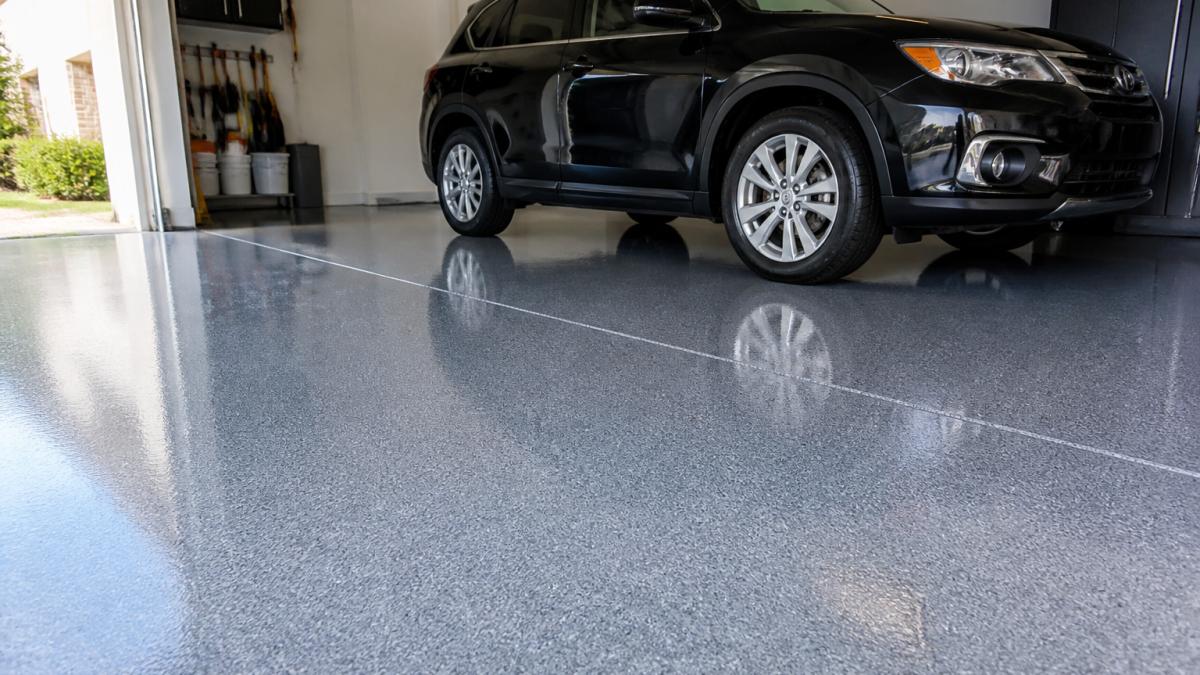
Realistic expectations matter here. Epoxy coating is durable and long-lasting compared to bare concrete, but it's not permanent. Understanding that you're typically investing in 5 to 10 years of protection helps you evaluate whether the upfront professional epoxy coating cost aligns with your ownership timeline and usage patterns.
Polyurea vs. Epoxy Floor Coatings
Polyurea and epoxy represent two distinct coating approaches, each with different performance characteristics and application requirements. Epoxy coating is the more traditional option, offering excellent adhesion, chemical resistance, and a range of aesthetic finishes. Polyurea coating is newer and offers faster curing times, often ready for light use within 24 hours compared to epoxy's 5 to 7 day full cure period.
The key trade-off is flexibility versus hardness. Polyurea coating remains more flexible after curing, which can be an advantage in concrete that experiences minor movement or temperature fluctuations. Epoxy coating is harder and more rigid, which provides excellent abrasion resistance in high-traffic areas but may crack if the underlying concrete shifts significantly.
Cost differences vary by application. Polyurea coating often requires specialized equipment and expertise for proper application. Epoxy coating is more widely available, though labor time can be similar or longer due to extended curing periods between coats.
Aesthetically, epoxy coating offers more decorative options including metallic effects, colored flakes, and various color choices. Polyurea coating is typically more limited in decorative possibilities, though solid colors are available. For homeowners prioritizing appearance and long-term durability, professional epoxy coating is a strong option. For commercial spaces where rapid turnaround matters, polyurea coating's faster cure time may be a consideration.
Real Benefits That Justify the Investment
Professional epoxy coating delivers concrete benefits that extend beyond appearance. The coating creates a sealed, non-porous surface that resists oil stains, chemical spills, and water damage, all common problems with bare concrete.
The easy maintenance aspect significantly reduces long-term ownership costs. Epoxy-coated concrete can be cleaned with a simple mop and mild cleaner, compared to bare concrete that requires scrubbing, degreasing, or pressure washing. Over 5 to 10 years, the time and material savings from easier maintenance add up substantially.
Visual impact matters for commercial spaces. A professionally coated epoxy floor in a retail storefront, restaurant lobby, or showroom creates an impression of quality and professionalism that bare concrete cannot match. This aesthetic upgrade often justifies the investment for businesses where customer perception influences purchasing decisions.
Durability and safety also factor into the value equation. Epoxy coating provides better slip resistance than bare concrete when properly formulated, reducing accident risk in facilities where wet floors are a concern. The protective seal prevents concrete deterioration from salt, chemicals, or freeze-thaw cycles, extending the underlying concrete's lifespan and protecting your long-term investment in the building itself.
For homeowners with valuable vehicles or equipment stored in the garage, the protection and appearance benefits of professional epoxy coating create a more professional storage environment. The psychological benefit of a clean, attractive garage space shouldn't be overlooked.
Common Drawbacks and How to Avoid Them
Understanding potential failure points helps you make decisions that prevent costly problems. Hot-tire pickup occurs when tires transfer heat to the epoxy surface, causing slight stickiness or marking. This happens most often with darker epoxy colors in direct sunlight.
Yellowing or discoloration can occur over time, particularly with epoxy coatings exposed to intense UV light. Clear topcoats without UV protection are most susceptible. Choosing coatings with UV-stable resins or using topcoats specifically formulated for UV protection prevents this problem. Commercial-grade epoxy formulations typically include better UV protection than budget options.
Peeling or adhesion failure represents the most common failure mode, and it's almost always caused by inadequate surface preparation. Concrete that wasn't properly ground, dried, or cleaned before coating application will eventually shed the coating. This is why professional surface preparation matters so much, it's the foundation for coating success.
Cracking in the epoxy coating itself usually indicates either movement in the underlying concrete or overly rigid coating applied to concrete with significant structural issues. Choosing appropriately flexible coatings for concrete with minor movement, or addressing structural concrete problems before coating, prevents this issue.
Valley Floor Coatings addresses these common problems through proper surface assessment, moisture testing, appropriate material selection, and professional application technique. Many of these drawbacks can be entirely prevented with correct installation practices.
Evaluating a Contractor Quote and Specifications
When you receive a professional epoxy coating quote, look beyond the total price and examine the specifications and process details. A quality quote should specify the concrete preparation method, whether the contractor is using grinding, shot blasting, or other techniques. It should detail moisture testing and any remediation required.
Ask about surface preparation timeline and whether crack repair is included or quoted separately. Understand the curing schedule, how long between coats, when the floor is ready for light use, and when it can handle full vehicle traffic.
Request references from recent projects and ask specifically about how those installations have held up over time. Ask whether the contractor is licensed and insured, as this protects you if something goes wrong during installation.
Compare quotes carefully, but remember that the lowest price often reflects shortcuts in preparation or material quality. A quote that's significantly cheaper than others should raise questions about what's being cut. Professional epoxy coating from a reputable contractor protects your concrete for years, choosing based solely on price often leads to disappointing results.
| Specification Element | What to Look For | Why It Matters |
|---|---|---|
| Surface Preparation | Grinding method, moisture testing, crack repair details | Determines coating adhesion and longevity |
| Primer Specification | Type and coverage rate | Ensures proper bonding to concrete |
| Base Coat | Thickness in mils, material type | Provides primary protective layer |
| Topcoat | UV protection, slip resistance rating | Protects from wear and provides safety |
| Curing Timeline | Days between coats, full cure time | Affects project duration and usability |
| Warranty | Coverage period, what's included, exclusions | Protects your investment |
| References | Recent projects, long-term performance | Validates contractor quality |
Deciding whether professional epoxy coating is worth the cost ultimately depends on your concrete's current condition, how you use the space, and your timeline. If you're dealing with stained concrete, frequent spills, or simply want a more professional-looking floor, professional epoxy coating typically delivers value that justifies the investment.
Frequently Asked Questions
How much does professional epoxy flooring cost per square foot?
Professional epoxy flooring cost per square foot depends on concrete condition, surface preparation requirements, coating type, and local labor rates. Pricing varies significantly based on whether crack repair, moisture testing, or concrete grinding is needed before application. For a precise estimate tailored to your project, contact Valley Floor Coatings for a free quote that accounts for your specific garage size, concrete slab condition, and desired finish options.
Is professional epoxy flooring better than a DIY kit?
Professional epoxy floor coating vs. DIY differs in surface preparation quality, application technique, coating thickness, and durability. Professional installers perform moisture testing, concrete grinding, primer coat application, and proper base coat and topcoat layering, steps DIY kits often skip. Professional installation typically lasts longer and resists peeling, hot-tire pickup, and adhesion failure better than DIY applications. However, DIY costs less upfront if you're willing to accept higher failure risk and shorter lifespan.
How long does professionally installed epoxy flooring actually last?
How long does epoxy flooring last depends on traffic level, maintenance, and installation quality. Professional epoxy coatings typically last 5-10 years in residential garages with regular cleaning and proper maintenance. Commercial or industrial applications with heavy vehicle traffic may require touch-ups or recoating over time. Poor surface preparation, moisture issues, or inadequate curing time significantly reduce lifespan.
What's your warranty if the floor starts peeling or yellowing?
Warranty coverage depends on the contractor and coating specifications. Professional installers typically warrant their work against peeling, adhesion failure, and defects in application. Before signing, ask your contractor for written warranty details, what's covered, what voids the warranty, and who's responsible for repairs. Valley Floor Coatings provides details on warranty coverage with every free estimate.